[voiceover] The summer after first grade, my neighbor taught me how swim. Mrs. Duane, on dry land, was a sumo-sized single mom and CPA. But five feet from the edge of the shallow end, she was my own personal safe harbor. Holding out her stay-puft marshmallow arms, she'd say, "close your eyes, count to five, take a breath, and jump." What came next was a frantic mix of kicking and gulping and bubbles and gasps. Slowly, but somewhat surely, I made it through my turquoise-colored panic and into her waiting arms. Not because I wasn't scared. Because she wasn't.
[voiceover] Ask any aquaphobic six-year-old. There are benefits to staying out of the pool. You get to mock the nose plugs and the kickboards, eat ice cream without watching the clock for 30 minutes after. And the dry itch aftermath, the bleachy stench of chlorine is someone else's cross to bear. But sitting poolside as others splash around can tempt even the most timid. If you're feeling brave, you close your eyes, count to five, take a breath, and jump. And you hope that someone stronger, more currently reliable-- your own sumo-sized CPA-- will be there to pull through the kicks and the gulps, the bubbles and the gasps.
[voiceover] I heard this lame-ass, late-night radio shrink once who claimed he could tell everything about you from the car you drive. Your education, or lack thereof, your income, race. He even had a best-guess at the busyness of your sex life, or lack thereof. Everything you are, reduced to make, model, and the choice of air freshener hanging from your rearview. Guy gets an advanced degree in "you are what you own" t-shirt wisdom. His parents must be proud.
[voiceover] They say you can't buy happiness. What you can buy are the trappings of happiness: sports cars, mansions, friends in high places or in low ones, depending on the view. But all we truly own, ultimately and everlastingly, are the various people in our messy lives. This often has little to do with happiness.
[voiceover] I've always been mystified by the mindset of makeup: age-defying, firming, regenerating, micro-sculpting, putting car payments worth of your paycheck into a three ounce bottle. I'm amazed. Honestly, it's like I'm on safari. I mean, I get it. On some level you want to change, hide, feel what it's like to be just not you, if only for a night, but at the end of the day, as your haggard reflection will tell you every time, the makeup comes off and all that you're left with is exactly who you are.
[voiceover] There's a phenomenon some people experience, those who've lost an arm or a leg, called "phantom limb". They feel pain, heat, cold, even movement, despite the fact that, strictly and scientifically speaking, there is no "there" there. It's as if the body can't accept that something so essential so natural a part has moved on... The memory of what had always been there so strong that even in its clear and sudden absence, the connection cannot be denied.
[voiceover] Children are our phantom limbs. Even when they leave, they're never really gone. They come back from time to time for laundry or a shoulder or a fist full of cash... To dance with you at the wedding of a friend. And those sleep-deprived whirling dervish early days that you swear will never end... Somehow they do. Then you blink, look up, and you find a boyfriend with a beard and a U-Haul on the lawn.
[voiceover] Psychologists say children believe in magic because their brains can't grasp the limits of natural law. As a kid, I tried to bend spoons with my mind like a magician I saw once on Saturday morning TV. It broke my heart when it didn't work. If I couldn't think a spoon into a knot, how could I will my mother to put down the vodka long enough to cook dinner, or wish my father into coming home to eat it? Beginning again. Some witnesses embrace it the chance to start fresh, to leave whatever baggage behind. For others, though, change means a dizzying loss of control. They cling to their baggage like a flotation device.
[voiceover] What is unleashed in the soul when we love outside ourselves is sharp, unexpected and beyond words. Love turns smart people stupid and conjures courage from thin air. That we can love so wildly, so recklessly, yet feel it in tame ways of every day is something of a miracle. For some, a miracle ordinary or otherwise, would take a miracle. Still, there's room for repentance; there's hope, if only in glimmers. For others, hope is all there is. Love, miracle, hope, not my kind of words, but I find as life pushes relentlessly on that they nudge their way in and set up shop; undeniable as moon tides. Pie in the sky magical thinking is replaced by grounded, grownup sense of wonder, and the reality that something as simple as a sunrise can still surprise you.
[voiceover] Somewhere between the primordial soup and the dirty cell phone pic, our minds invented a sneaky way to course-correct for our mistakes and disappointments. Leon Festinger called it cognitive dissonance. Worst part is it works, if only for a while.
[voiceover] The mind's ability to fool itself knows almost no boundaries, but eventually the lucky among us come to our senses, the smoke fades, and we see things for how they really are. Whether by words of wisdom or the flicker of a flashlight, we muddle through the fog, landing on the long and winding road we're meant to travel. However baffling, we learn to trust the path or at least stay on it, and having no earthly clue where it's heading means we'll never be lost. At least not for long.
[voiceover] According to my memory of sixth-grade social studies, 200 something years ago, our founding fathers fought for certain inalienable rights Free speech, the pursuit of happiness, the simple chance to have a choice. But there's such a thing as too many choices. I long for the days of three TV channels. Experts call this the paradox of choice, where having too many options can lead to the wrong one, or to the worst one making no choice at all.
[voiceover] Everyone thinks they want freedom, or at least they say they do. The chance to choose whatever they want. But choices come with consequences. Every time you make a choice, you also take a risk. Risks that, for better or worse, alter your options for the rest of time. Options. Coke or Pepsi. Betty or Veronica. The wife you leave at work or the one you come home to at the end of the day. Some people think they can have it all. I don't get that.When did having enough stop being enough? And even if you did have it all, where the hell would you put it?
[voiceover] This witness once told me there's truth in fairy tales. The problem with fairy tales... and I tried to explain this to him... is that they end too soon. They are, at best, a prologue for the messy chapters to come. Sure, Snow White and Prince Charming may do "happily every after" for a while. But then she comes home to find him banging Rapunzel in the big bed and you've got a different story. There's no truth in fairy tales, not really. Know how you can tell? They're called "fairy tales."
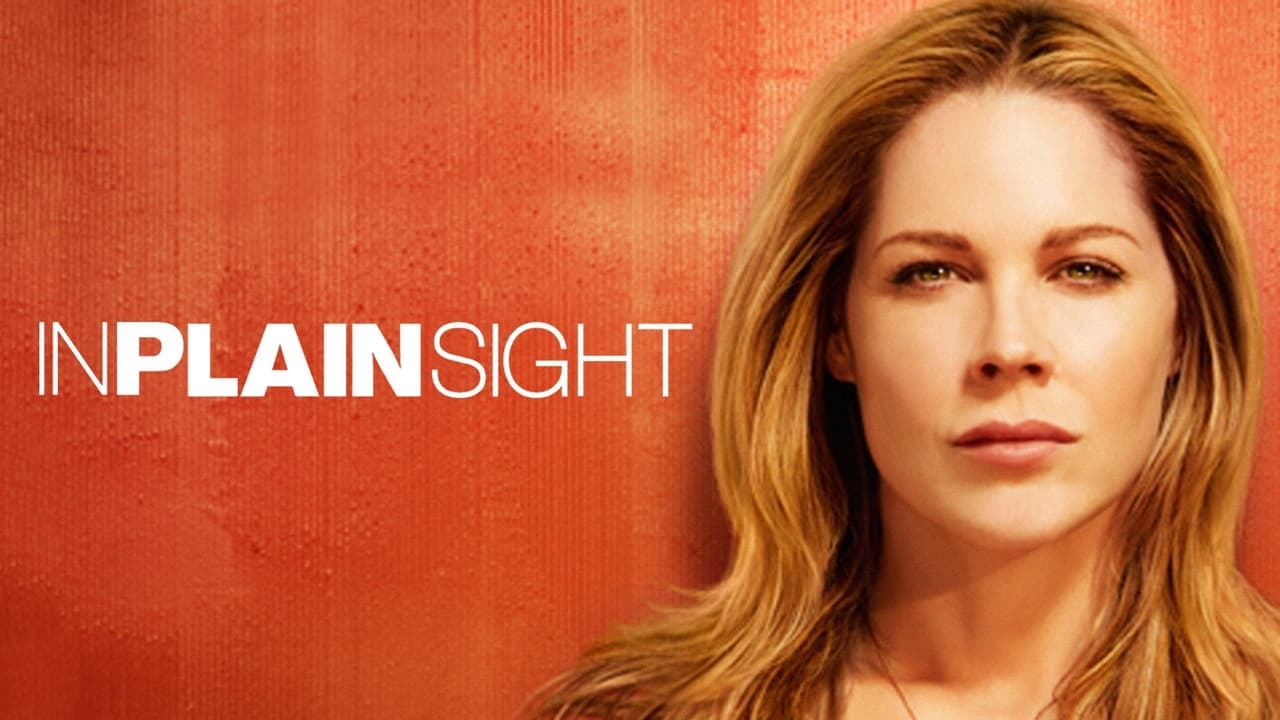
 In Plain Sight · 332 quotes
 Mary