[voice over] The painful irony for doctors, is that we often have to make you sicker in order to heal you. If a bone has unevenly, we have to re-break it. If a scar is too thick, we have to scrape it off, and create a new wound. We break you down to rebuild you.
[voice over] We go to medical school because we want to learn how to fix what’s broken. But we quickly learn we have to make things worse before we make things better. It’s risky, and it’s frightening for surgeons, and for patients, but it’s usually worth it. You get a second chance at life, and we get to be the architects at your second chance. It’s a win-win… when it works.
[voice over]: There’s a saying we hear a lot around hospitals… that goes like this – “Pain is inevitable. Suffering is optional.” But I doubt the person who coined it ever went through major surgery. Or maybe they didn’t mean physical pain. Maybe they meant the other kind, the worse kind. Maybe they meant the kind of searing, seething, boiling pain that tells you you’re a failure and a fraud. “Suffering is optional.” That person didn’t know what the…they were talking about.
[voiceover] In Japan, when a piece of pottery breaks, some potters fill the cracks with gold. The potters, they see the repairs as something beautiful. They know that the unexpected happens. Change happens. They know that nobody gets through this world in one piece. That doesn't have to diminish us. The cracks are part of our history, they will always be with us. They made us better, they made us stronger, they made us something new.
Andrew, I know we don't know each other very well, but l do know how much it sucks to lose the person you love. And I know that Sam wouldn't want you spending your time drowning in your pain. Andrew, your are young, and you have that face. You are gonna fall in love again, and you're gonna get heart broken again. And that's life. And it's beautiful, and it's messy. It's a beautiful mess, but you can't cling to what was. You have to look to what might be…
[voiceover] A recent study found that marriage has actual health benefits. Married people live longer, have fewer strokes, and fewer heart attacks than people who are single. Scientific or not I find that study incredibly irritating. Happily, there are other studies that tell us the real truth about the health benefits of marriage, which is that the benefits have nothing to do with marriage at all. Because those studies have shown that staying in an unhappy marriage is the worst thing you can do for your health and for your children. So better health is a direct result of healthy relationships. You don’t need a spouse, you just need someone you can trust, you need someone you can talk to, you need someone who will celebrate your wins and grieve your losses, you need someone who can forgive you, you need someone who will show, no questions asked and walk with you through every unexpected twists and turns life throws your way.
[voice over] There is a portion of the cerebral cortex of your brain, folded deep within an area between the temporal and frontal lobes. It's called the insula, and it's where desire starts. The insula is only about the size of a pea,but what it triggers in our bodies and, by extension, in our lives,can be epic.
[voice over] We'd like to imagine that we're in control. But more often than not...the chemicals in our brains control us. The insula lights up,and we are compelled to change our lives. Compelled by longing. Compelled by yearning. Compelled by desire for more.
[voice over] Just like we need food and water, humans need each other. A brain study revealed that, when placed in an MRI,a patient's reward center lit up when another person sat in the room. Neurons fire when we talk to someone, think about someone,and they go haywire when we hold someone's hand. Our brains and bodies are actually programmed to seek each other out and connect. So, then why do so many people prefer being alone?
[voice over] Why do we often run for the hills when we feel the slightest connection? Why do we feel compelled to fight what we're hard-wired to do? Maybe it's because when we find something or someone to hold onto,that feeling becomes like air...and we're terrified we're going to lose it. And trust me,you can get pretty good at the along thing. But most things are better when they're shared with someone else.
[Voice Over] In the early days of medicine, surgical students would perfect their sewing technique on tree branches. Because looking at an exposed bone in an amputation, human instinct is to recoil, not cut. They needed students to get out of the habit of listening to instinct. A lot of our training is breaking instinct. Developing new habits. Don't react to bad news in front of patients. Don't show fear when faced with uncertainty. When you are looking at that exposed bone, CUT. So the trick is trying to stay human when we have shut down all those gut feelings, all those messy instincts. "
[Voice Over] So what about those times when there is no road map? Should we go with our gut then? If instinct is all we have, it's not always a bad thing. It can bring us wonderful places. Joyful places. And it can also serve an important purpose. Because our gut is usually what warns us when trouble lies ahead.
[Voice Over] When I was little I once asked my mother, how do you tell people such bad news? You tell them the truth, she said. But you tell them the best version of the truth you can come up with. My mother also never told me I had a little sister, so... grain of salt. "
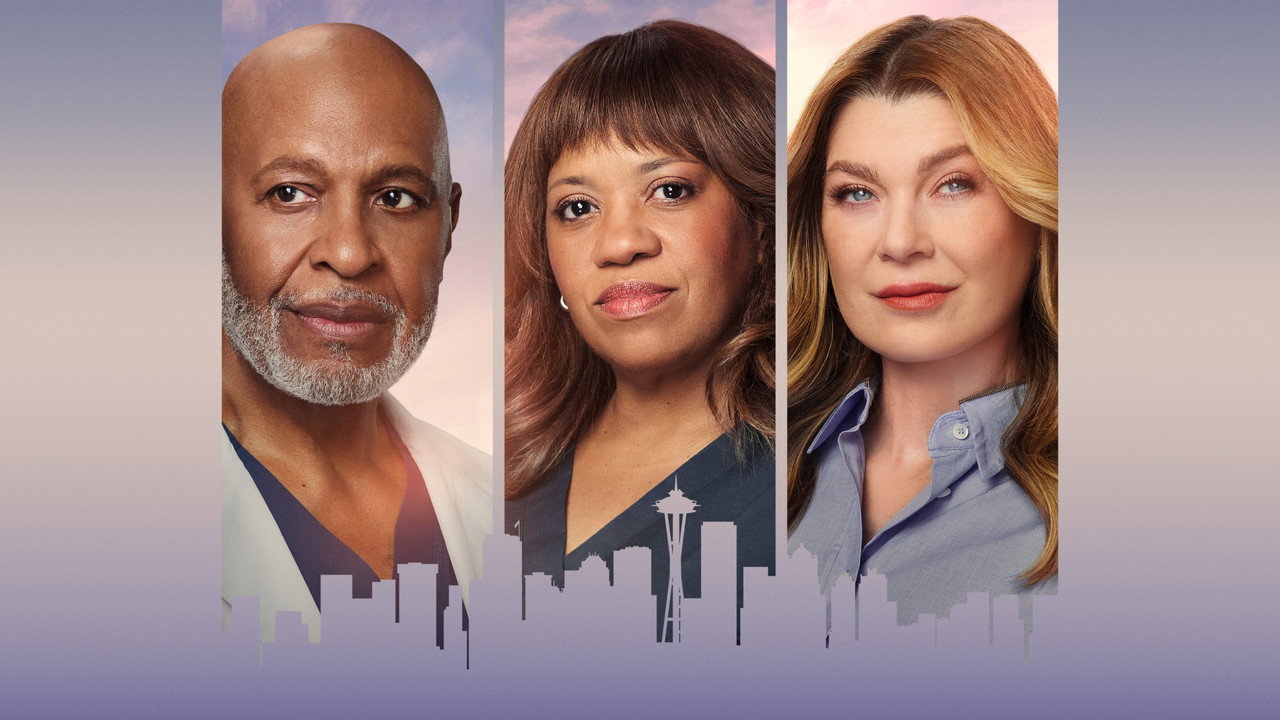
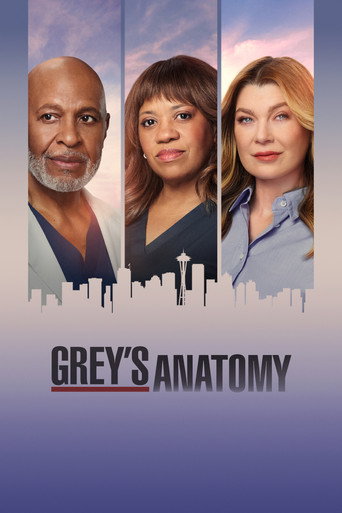 Grey's Anatomy · 1,393 quotes
 Meredith