[voiceover] So what makes anger different from the six other deadly sins? It's pretty simple really, you give into a sin like envy or pride and you only hurt yourself. Try lust or coveting and you'll only hurt yourself and probably one or two others. But anger, anger is the worst. The mother of all sins. Not only can anger drive you over the edge, when it does you can take an awful lot of other people with you.
[voiceover] In the OR, time loses all meaning. In the midst of sutures, and saving lives the clock ceases to matter. 15 minutes, 15 hours — inside the OR, the best surgeons make time fly. Outside the OR, however, time takes pleasure in kicking our asses. For even the strongest of us it seems to play tricks. Slowing down... hovering... until it freezes. Leaving us stuck in a moment — unable to move in one direction or the other.
[voiceover] Time flies. Time waits for no man. Time heals all wounds. All any of us wants is more time. Time to stand up. Time to grow up. Time to let go. Time.
[voiceover] At any given moment, the brain has 14 billion neurons firing at a speed of 450 miles per hour. We don’t have control over most of them. When we get a chill...goose bumps. When we get excited...adrenaline. The body naturally follows its impulses, which I think is part of what makes it so hard for us to control ours. Of course, sometimes we have impulses we would rather not control, that we later wish we had.
[voiceover] The body is a slave to its impulses. But the thing that makes us human is what we can control. After the storm, after the rush, after the heat of the moment has passed, we can cool off and clean up the messes we've made. We can try to let go of what was. And then again...
[voiceover] Surgeons usually fantasize about wild and improbable surgeries. Someone collapses in a restaurant, we splice them open with a butter knife, replace a valve with a hollowed out stick of carrot, but every now and then some other kind of fantasy slips in. Most of our fantasies dissolve when we wake, banished to the back of our mind, but sometimes we're sure if we try hard enough, we can live the dream.
[voiceover] The fantasy is simple. Pleasure is good, and twice as much pleasure is better. That pain is bad, and no pain is better. But the reality is different. The reality is that pain is there to tell us something, and there's only so much pleasure we can take without getting a stomach ache. And maybe that's okay. Maybe some fantasies are only supposed to live in our dreams.
[voiceover] At some point during surgical residency, most interns get a sense of who they are as doctors and the kinds of surgeons they're going to become. If you ask them, they'll tell you they're going to be general surgeons, orthopedic surgeons, neurosurgeons. Distinctions which do more than describe their areas of expertise, they help define who they are, because outside the operating room, not only do most surgeons have no idea who they are, they're afraid to find out.
[voiceover] First, do no harm. As doctors, we pledge to live by this oath. But harm happens and then guilt happens. And there's no oath for how to deal with that. [...] Guilt never goes anywhere on its own, it brings its friends - doubt and insecurity.
[voiceover] First do no harm, easier said than done. We can take all the oaths in the world, but the fact is, most of us do harm all the time. Sometimes even when we're trying to help, we do more harm than good. And then the guilt rears its ugly head. What you do with that guilt is up to you. We're left with a choice. Either let the guilt throw you back into the behavior that got you into trouble in the first place, or learn from the guilt and do your best to move on.
[voiceover] There are times when even the best of us have trouble with commitment, and we may be surprised by the commitments we're willing to let slip out of our grasp. Commitments are complicated. We may surprise ourselves by the commitments we're willing to make. True commitment, takes effort, and sacrifice. Which is why sometimes, we have to learn the hard way, to choose our commitments very carefully.
[voiceover] As surgeons, we're trained to look for disease. Sometimes the problem's easily detected, most of the time we need to go step by step. First, probing the surface looking for any sign of trouble, a mole, or a lesion, or an unwelcome lump. Most of the time, we can't tell what's wrong with somebody by just looking at them. After all, they can look perfectly fine on the outside, while their insides tell us a whole other story.
[voiceover] Not all wounds are superficial. Most wounds run deeper than we can imagine. You can't see them with a naked eye. And then there are the wounds that take us by surprise. The trick with any kind of wound or disease is to dig down and find the real source of the injury, and once you've found it, try like hell to heal that sucker.
[voiceover] Many people don't know that the human eye has a blind spot in its field of vision. There's a part of the world that we are literally blind to. The problem is, sometimes our blind spots shield us from things that really shouldn't be ignored. Sometimes our blind spots keep our lives bright and shiny.
Today is the day people, today is the day when dark and twisty Meredith disappears forever, and bright and shiny Meredith takes her place! You're probably not gonna want to be friends with me anymore, because the sheer intensity of my happiness is going to make your teeth hurt, but that's OK, because life is good. Life is good.
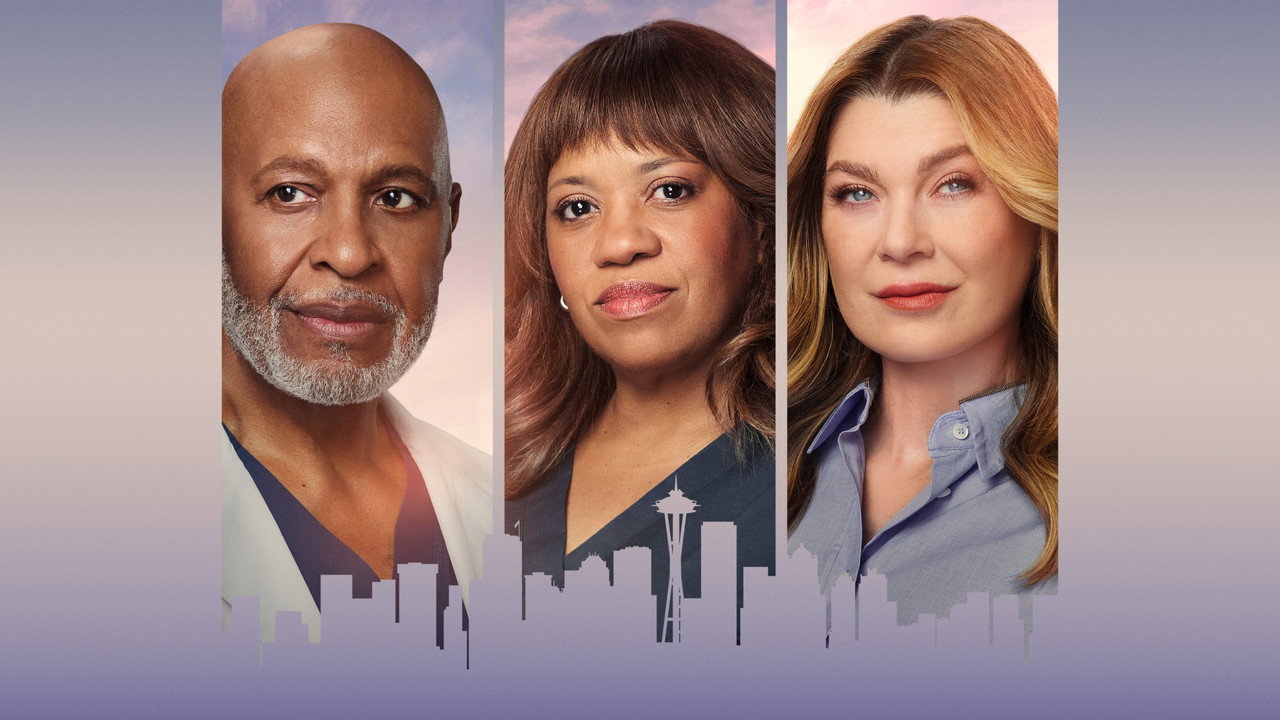
 Grey's Anatomy · 1,393 quotes
 Meredith