
[Talking about Old Testament mythology.]
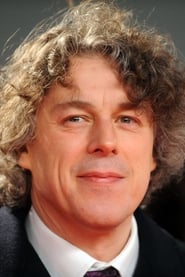
Why do people believe all this stuff, Stephen?
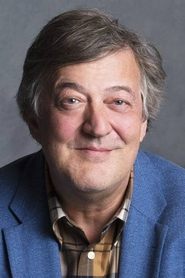
Well, it’s whether you agree with it or not—
Never mind televisions ruined Bhutan, this stuff is responsible for some serious aggravation in the world. And people believe it all, for God’s sake! They do believe it all! Bronze age mythology, they believe it all.
People believing in manna doesn’t really upset me or anybody sensible as much as, say, than believing—
I don’t eat meat, right? I don’t eat meat, and someone actually said to me, someone who should remain nameless, really angrily: “Animals were put on earth for us to eat.” What does he mean by that? Put by whom?
That’s silly. Off course that’s silly.
I said: “You can eat one if you want, but don’t shout at me about them being put there like it’s some big toy farmyard.” You are really clever, why do they believe it all? Can’t they just go: “Bwooh, that was mad, I thought that was true for a minute.” Why do people believe it?!
Because they are foolish and ignorant and scared.
They need to believe it? Do they need to believe it?
There is a distinction to be drawn between those who claim to have access to revealed truth and therefore claim to know what happens to us after we’re dead on the basis of a text, whether it’s a Quran or a Holy Bible.
But why do people believe them?
Which is nonsensical. And if they want to believe it, they’re fine, but they mustn’t push it down our throats and they mustn’t tell me whom I’m allowed to go to bed with and whom I’m not allowed to go to bed with. It’s not acceptable. Anybody who tells me what happens after I’m dead is either a liar or a fool, because they don’t know.
That is what I mean! I don’t mind—
The myth of the Jewish people having manna dropped on their heads, that doesn’t actually matter. That’s no more different — that’s like Greek myth or any other myth, that’s fine. It’s when it gets to telling people how to behave is where we do draw the line.

More from this episode
All quotes from this episode →More QI quotes · These quotes come from Wikiquote's QI pages and are available under the Creative Commons Attribution-ShareAlike License.