 Wellington
Sharpe?
I would like to be given command of the Forlorn Hope, Sir.
Wellington
I think you're a rogue, Sharpe. But you're on my side, you're one of my rogues. I don't want you dead.
May I offer my reasons, Sir? They are pressing. I have a... I have a wife in the city, and a child. I want to be first in and by their side, before you will sack the city, Sir.
Wellington
You may not be given the Forlon Hope. I shall not countenance it, no!
Captain Sharpe and I have met. You are late, sir, and I cannot abide unpunctuality.
I'm sorry I'm late, my Lord, the inspection of the rocket battery ran to a full hour, sir.
Wellington
I am not happy you did not get me my horses, Sharpe. You think there may be something in these rockets, Sharpe?
Not as to accuracy, sir, but they play merry hell with the morale of poorly led men, sir. The sound is shocking.
Wellington
Scared you, did they?
[deadpan] I was terrified, sir.
Are you...uh...sure that Captain Sharpe is the right man to send with the ransom? He won't cut and run if somebody lets off a gun, will he?
I have not come here, my Lord, to hear this man explaining about his rockets. What about my wife, sir?
Wellington
You have the money?
Five hundred golden guineas.
Wellington
Good. The deserters have demanded that the ransom be delivered by Captain Sharpe.
Oh, I wonder why, sir. It's probably because he knew one of the ruffians when he was a private soldier. That's what comes of raising from the ranks. Personally, my Lord, I don't hold with it.
My Lord if I may speak? [Wellington nods] Sir Augustus is probably correct in speculating that whoever asked for me served under me in the ranks. I was a Sergeant and a stickler for duty, so it's fair to assume that whoever it is wants to settle a score and slit my throat. But, if Sir Augustus does not trust me, I am more than willing to step down, and let him take the gold himself, sir.
[looking uncomfortable] Well! I am willing to accept Captain Sharpe as a messenger if you are, my Lord.
Wellington
Let's have it Nairn.
Wellington
What do you say, Sharpe?
Wellington
Does that suit you, Colonel?
Well, naturally, I had hoped to go myself.
Wellington
No, Colonel. These dogs would merely take you hostage and increase the ransom.
Well, that being so, I have some concerns as to the correct conduct of Captain Sharpe, and his men. My wife is a lady. I must ask you to impress on Captain Sharpe the need to adopt certain standards which are not necessarily his by birth.
How dare he speak of Captain Sharpe in such a fashion! We Morenos are of the blood. We know who is a man of manners and who is a man of the mouth, and you, Sir Augustus, are a man of the mouth. Take my advice and shut it, before someone shuts it for you!
Wellington
Sir Augustus has a point, Sharpe. You and your men can be a little rough and ready. Sir Augustus has written a book on the proper conduct of the Spanish Campaign, I suggest you study it tonight, Sharpe. Full of good things, listen, "During the day's march, the men should keep their files, no indecent language or noise to be allowed." Be sure to read that particular part to the Chosen Men tonight after prayers.
Wild horses wouldn't stop me, sir.
Don't talk about horses, Sharpe. Dismissed!
[to Sir Augustus] If you were a man, I would call you out, force you to fight a duel, and kill you. [leaves]
Close call, there, sir. They call her 'the needle', don't ask me why.
[looking a trifle alarmed] Am I in danger?
Wellington
[impatient] Escort Sir Augustus to his tent.
Can you imagine what this will do to the morale of our troops, coming up to a cold Christmas? A scuttlebutt tells you there's a garden of Eden in the hills, good food, good grog, no foot drill or flogging. Wouldn't you say, "I'll be damned to it," and desert? I know I would.
Disciplined troops desert, sir? Nonsense.
Wellington
Don't be a damn fool, sir! Discipline is only a rabble-rouser's shout from anarchy, sir! Mark me close, Colonel. What do you think the supreme virtue, sir? To the Frenchman in his recent revolution, it is liberty. To the Whig puffing in Parliament, it is licence to do anything, provide it do not disturb his pleasure. But to the common soldier, it is anarchy, to do whatever he please and be damned to his fellow. But to me and Bonaparte, the supreme virtue is order. We are not Whigs. We know that a man may love his neighbour over Monday and massacre him over Tuesday unless society keeps him in order! These deserters, if not secured and shot, will destroy my army more surely than Bonaparte! And I'll thank you not to forget it.
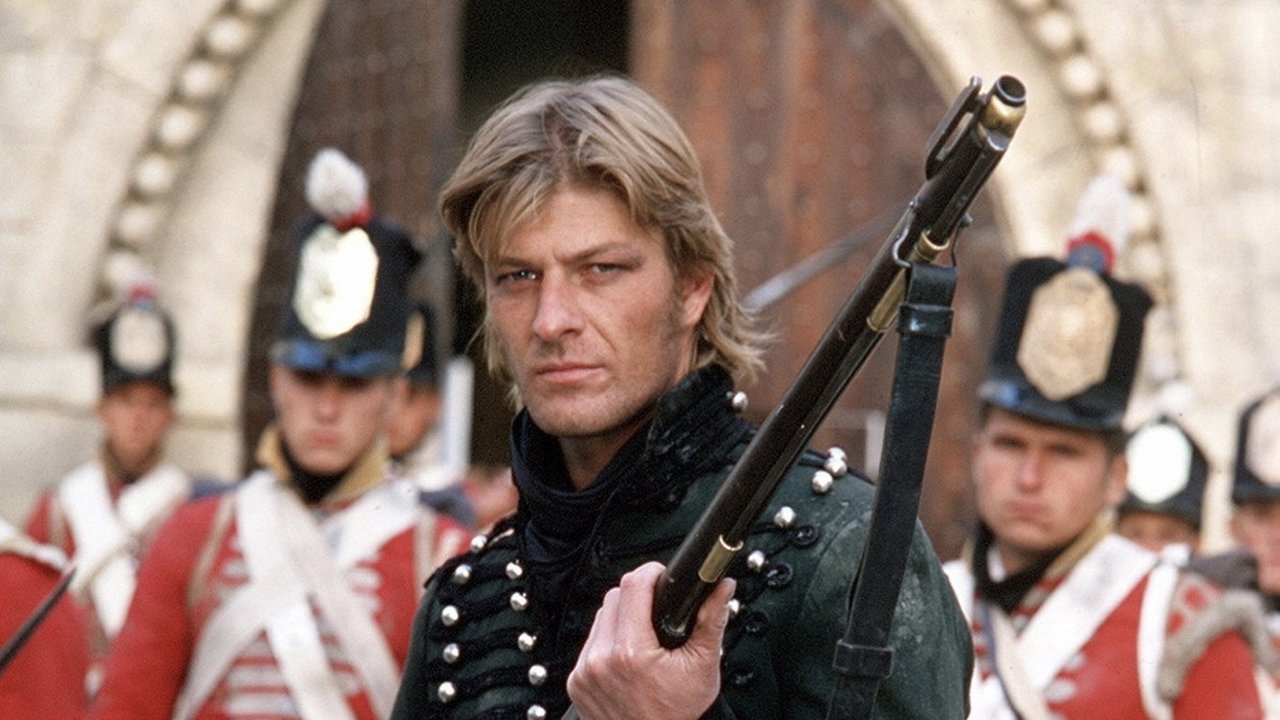
 Sharpe · 101 quotes